


Table of Contents
A healthy green lawn does more than improve curb appeal. It creates an inviting outdoor space where you can relax, entertain guests, and enjoy time with family throughout the year.
Keeping your grass in excellent condition is easier when you follow the right maintenance routine. Simple habits like proper mowing, watering, feeding, and seasonal care can make a noticeable difference in both the appearance and long term health of your yard.
Whether you are caring for a newly planted lawn or maintaining an established landscape, these practical lawn care tips will help you grow thicker grass, reduce common problems, and keep your yard looking vibrant in every season.
Essential Lawn Care Tips Every Homeowner Should Follow
A beautiful lawn is built through consistent care rather than occasional maintenance. The following 13 expert tips cover the most important lawn care practices, from mowing and watering to fertilizing, aerating, and preventing weeds. Together, these proven techniques will help you create a healthier, greener yard that stays attractive throughout the year.
1. Water Deeply, Not Frequently
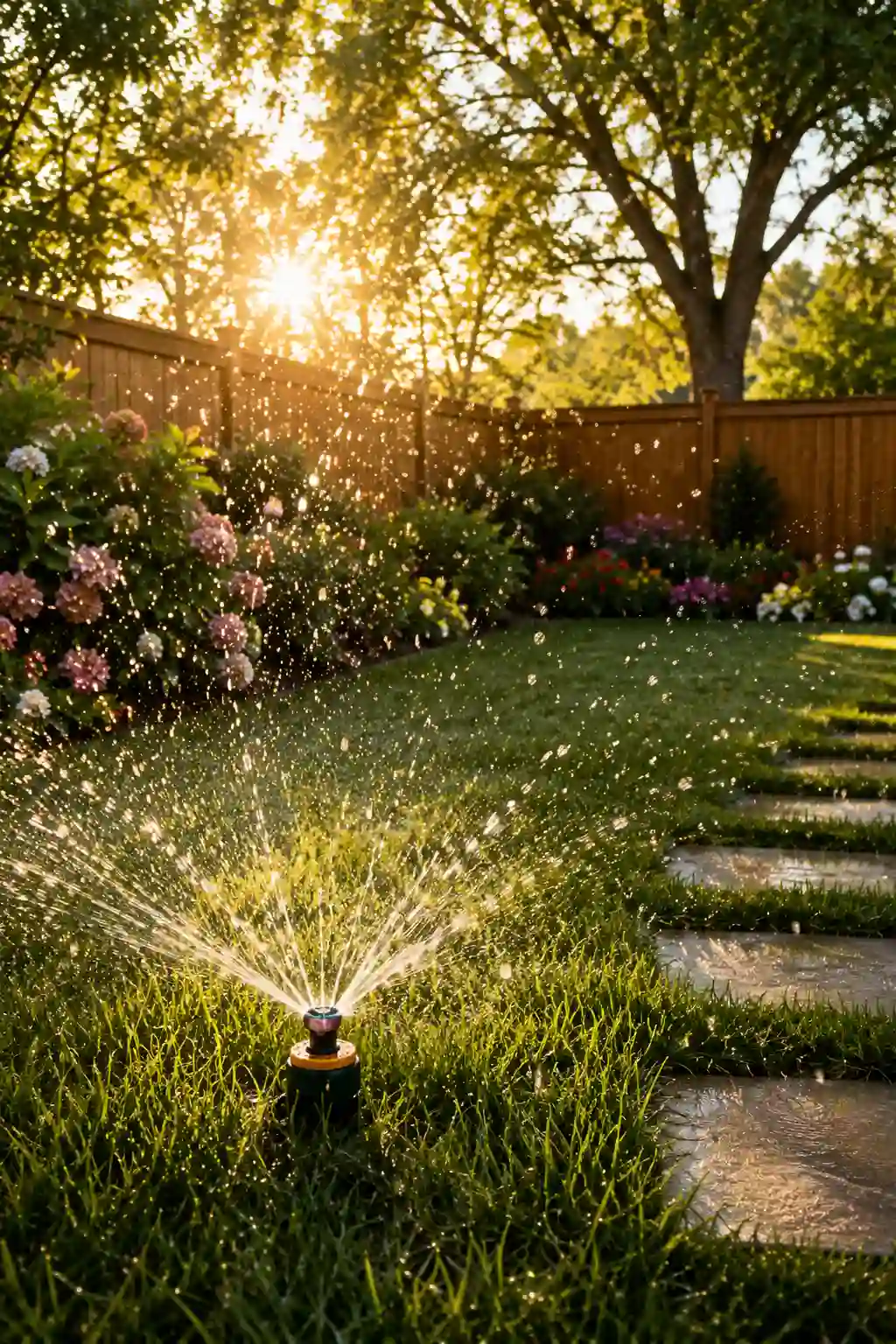
A healthy lawn depends on more than just regular watering. Giving your grass a deep soak once or twice a week encourages the roots to grow farther into the soil, making the lawn stronger and more resilient during hot or dry weather. Frequent light watering only moistens the surface, leading to shallow roots that dry out quickly.
The best time to water your lawn is early in the morning when temperatures are cooler and the wind is usually calm. This allows moisture to soak into the soil before the sun becomes intense, reducing water loss through evaporation. Watering early also gives the grass blades enough time to dry, helping prevent fungal diseases and other moisture related problems.
Aim to provide about one inch of water each week, including rainfall, to keep your lawn consistently healthy. An irrigation system with a sprinkler timer can make watering easier, but even a standard sprinkler works well when used correctly. Watching how your lawn responds throughout the season will help you adjust watering based on rainfall, temperature, and your grass type.
Pro Tip: Place a small empty tuna can or rain gauge on your lawn while watering. Once it collects about one inch of water, you know your lawn has received the ideal amount for deep root growth.
2. Mow at the Right Height
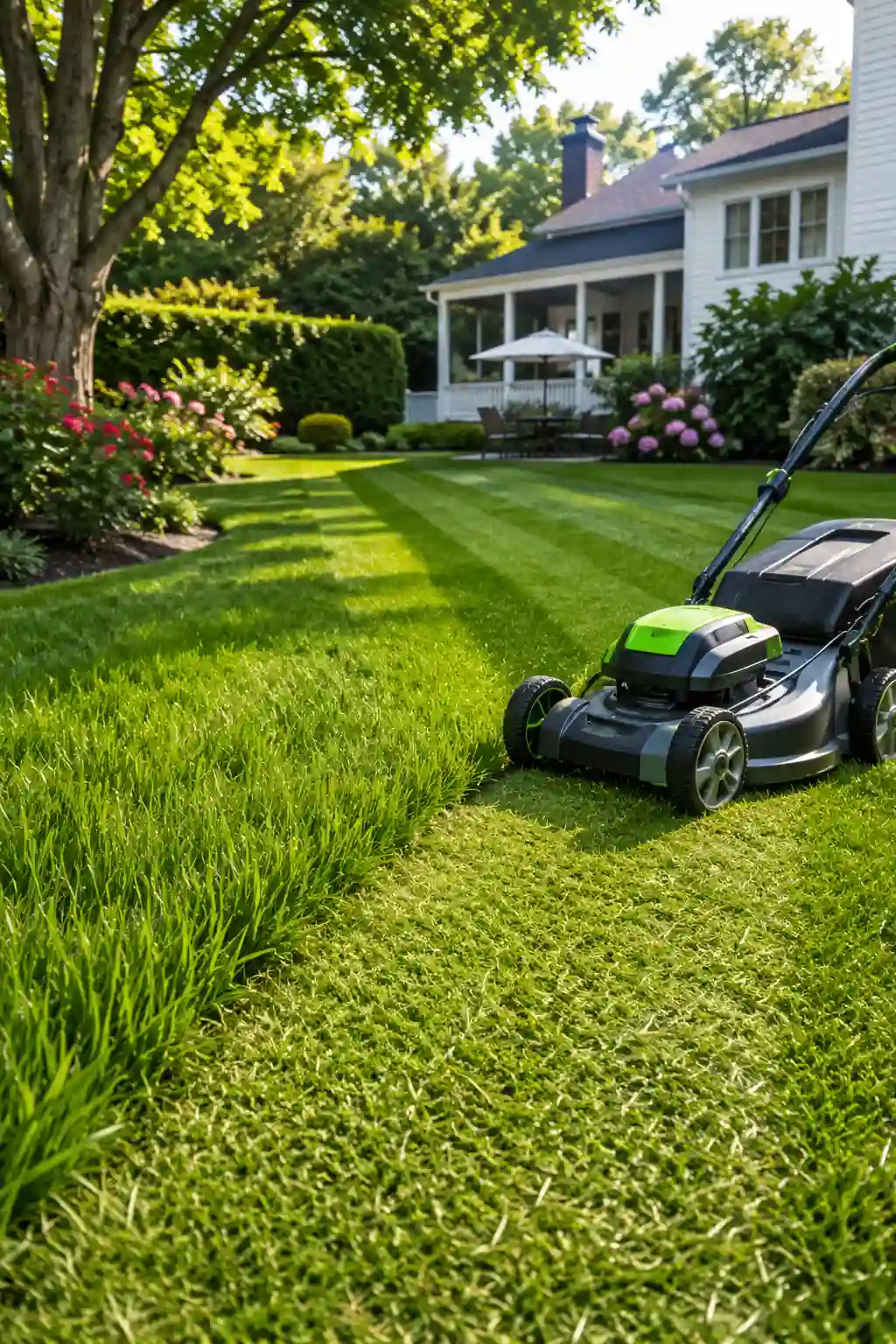
Mowing your lawn at the proper height is one of the most important habits for maintaining thick, healthy grass. Cutting the lawn too short may seem like it reduces mowing frequency, but it actually weakens the grass and exposes the soil to more sunlight. This encourages weed growth, increases moisture loss, and places unnecessary stress on your lawn.
Most lawns thrive when only the top portion of the grass blade is removed during each mowing session. A good rule is to never cut more than one third of the grass height at one time. Keeping the grass slightly taller helps shade the soil, retain moisture, and support deeper root development, making the lawn more resilient during hot summer weather.
Equally important is using a mower with sharp, well maintained blades. Sharp blades create clean, even cuts that allow the grass to recover quickly, while dull blades tear the tips and leave them looking brown or ragged. Mowing on a regular schedule and slightly changing your mowing direction each time also helps prevent soil compaction and keeps your lawn growing evenly.
Pro Tip: Leave finely chopped grass clippings on the lawn after mowing. They break down quickly and naturally return valuable nutrients to the soil, reducing the need for additional fertilizer.
3. Fertilize Your Lawn on Schedule
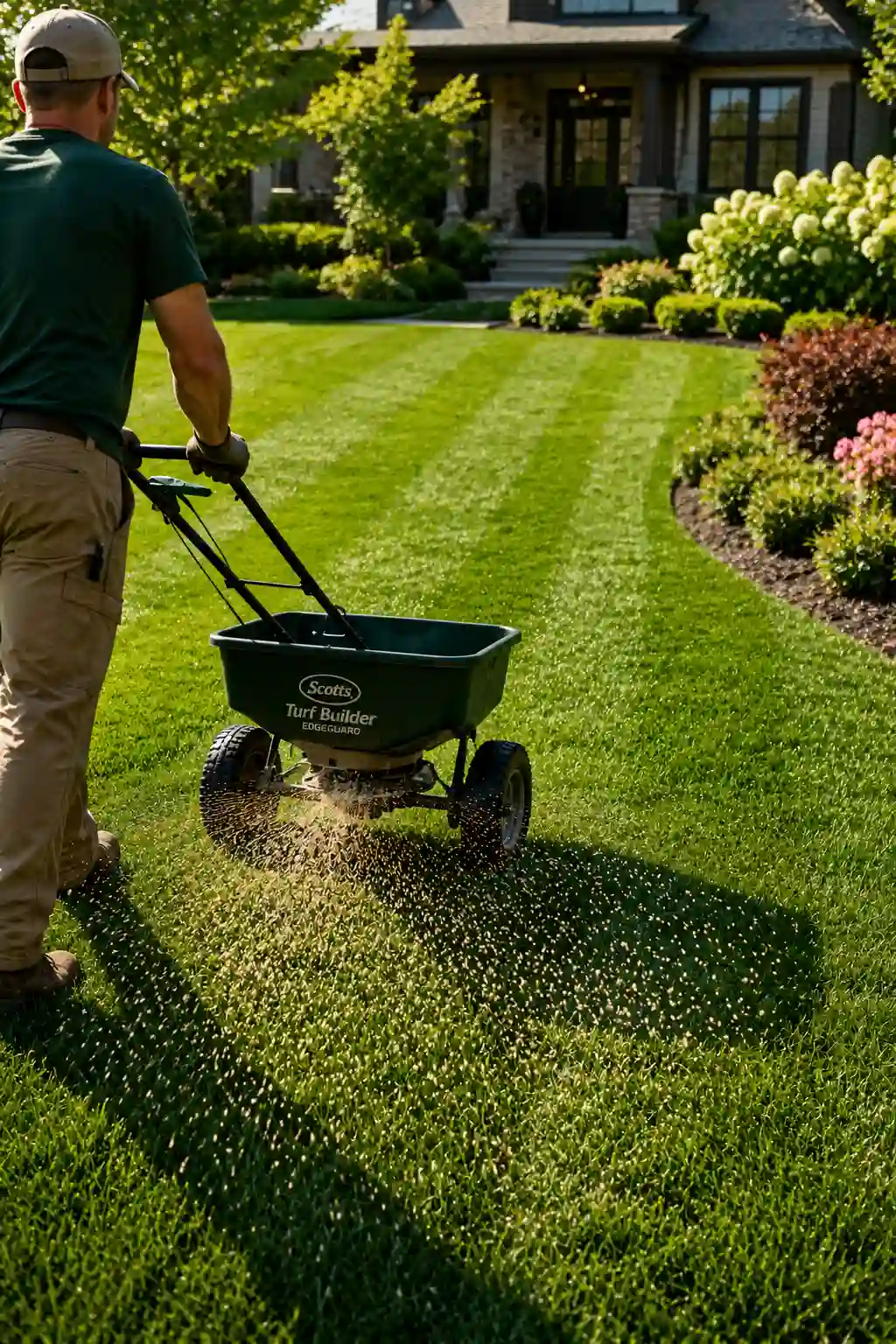
A well fertilized lawn has the nutrients it needs to grow thick, green, and resilient throughout the year. Grass constantly uses essential nutrients from the soil, especially nitrogen, phosphorus, and potassium. Applying the right fertilizer at the proper time helps replace these nutrients, encouraging healthy growth while improving the lawn’s ability to resist weeds, drought, and everyday wear.
Choosing a fertilizer that matches your grass type and the current season is just as important as the application itself. Slow release fertilizers are an excellent choice because they provide a steady supply of nutrients over time rather than promoting rapid growth all at once. Following the recommended application rate also helps prevent fertilizer burn and keeps the lawn looking consistently healthy.
For the best results, apply fertilizer when the grass is actively growing and water the lawn lightly afterward unless you’re using a product designed to be applied before rain. A healthy fertilization schedule combined with proper mowing and watering creates the ideal conditions for dense, vibrant grass that stays attractive throughout the growing season.
Pro Tip: Test your soil every few years before applying fertilizer. A simple soil test helps you choose the right nutrients, preventing unnecessary applications while giving your lawn exactly what it needs to thrive.
4. Water Your Lawn Early in the Morning
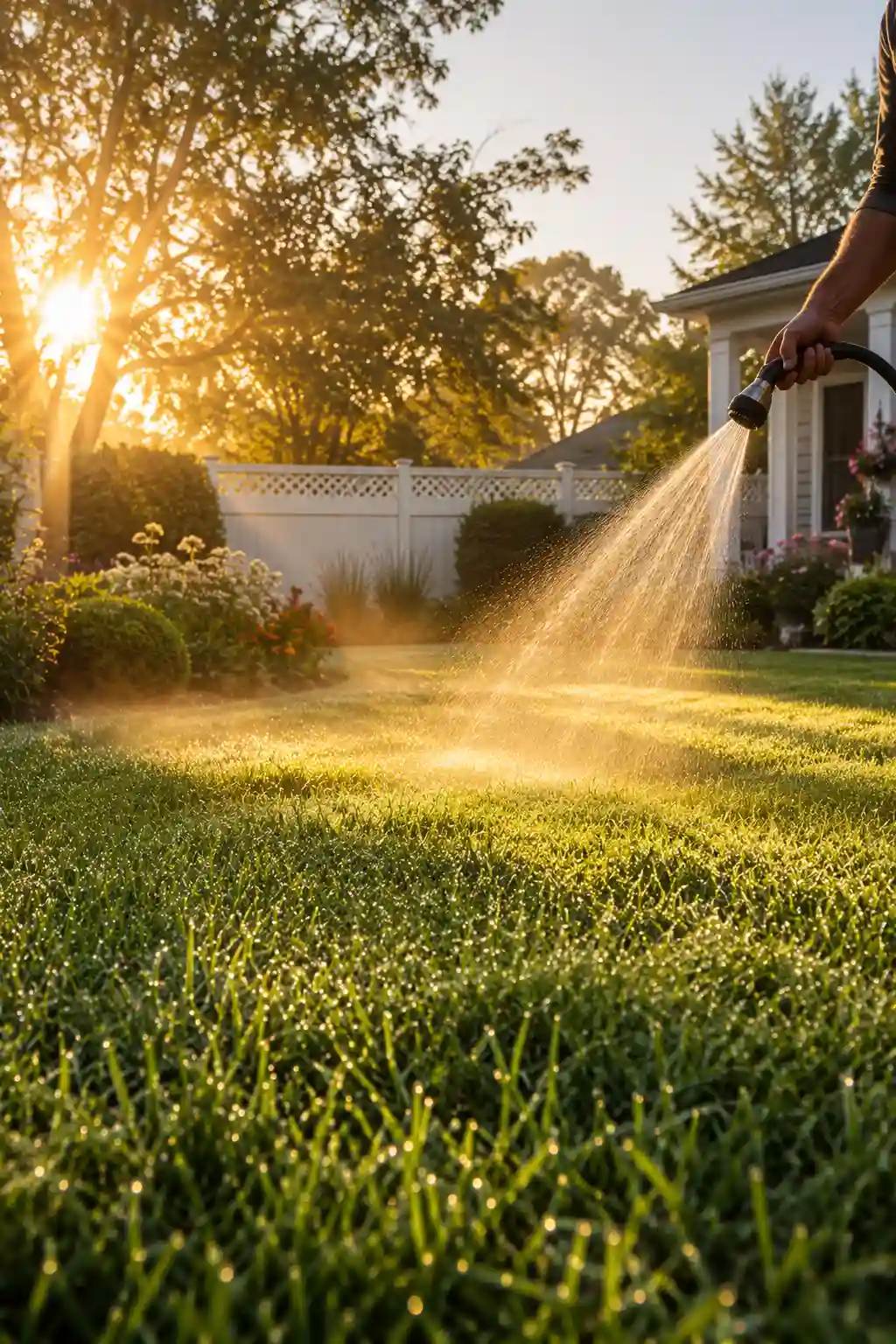
The time you water your lawn can be just as important as how much you water it. Early morning is the ideal time because cooler temperatures allow water to soak deeply into the soil before the heat of the day causes excessive evaporation. This gives the grass plenty of moisture to support healthy growth while using water more efficiently.
Watering in the morning also helps reduce the risk of common lawn diseases. Since the grass blades have time to dry naturally as the sun rises, moisture does not remain trapped on the surface for long periods. In contrast, watering late in the evening can leave the lawn damp overnight, creating favorable conditions for mold, mildew, and fungal problems.
Aim to water your lawn between 5:00 a.m. and 9:00 a.m. whenever possible. If you use an irrigation system, setting an automatic timer ensures your lawn receives consistent watering without requiring daily attention. Combined with deep watering, an early morning schedule helps your lawn stay greener, healthier, and better prepared to handle hot summer conditions.
Pro Tip: Avoid watering during the hottest part of the afternoon. Much of the moisture evaporates before reaching the roots, wasting water and providing little benefit to your lawn.
5. Aerate Compacted Soil Every Year
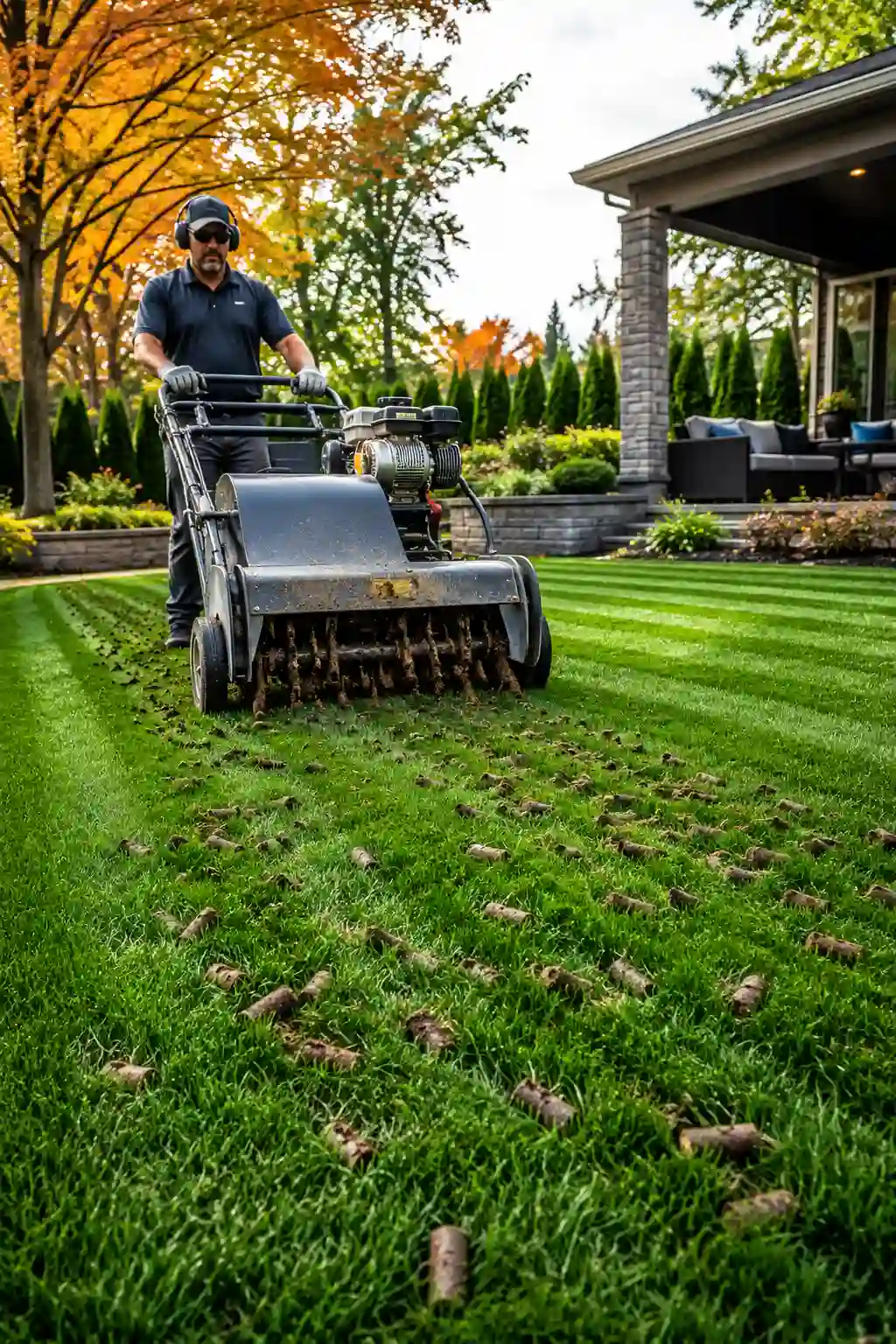
Over time, soil naturally becomes compacted from foot traffic, lawn equipment, children playing, and even heavy rainfall. When the soil is too compact, air, water, and nutrients struggle to reach the grass roots, making it harder for your lawn to stay healthy. Annual aeration relieves this compaction and creates the ideal environment for stronger root development.
Core aeration works by removing small plugs of soil from the lawn, allowing oxygen and moisture to penetrate deeper into the ground. This process encourages roots to spread farther below the surface, resulting in thicker grass that is better equipped to withstand drought, heat, and heavy use. You may notice the small soil plugs left on the lawn after aeration, but they naturally break down and return valuable nutrients to the soil.
The best time to aerate depends on your grass type. Cool season grasses benefit most from aeration in early fall, while warm season grasses respond best during late spring or early summer when they are actively growing. Pairing aeration with overseeding can produce even better results by giving new grass seed direct contact with the soil for faster germination.
Pro Tip: If water tends to pool on your lawn after rain or the ground feels hard when you push a screwdriver into the soil, it’s a strong sign that your lawn is ready for core aeration.
6. Top Dress Your Lawn With Compost
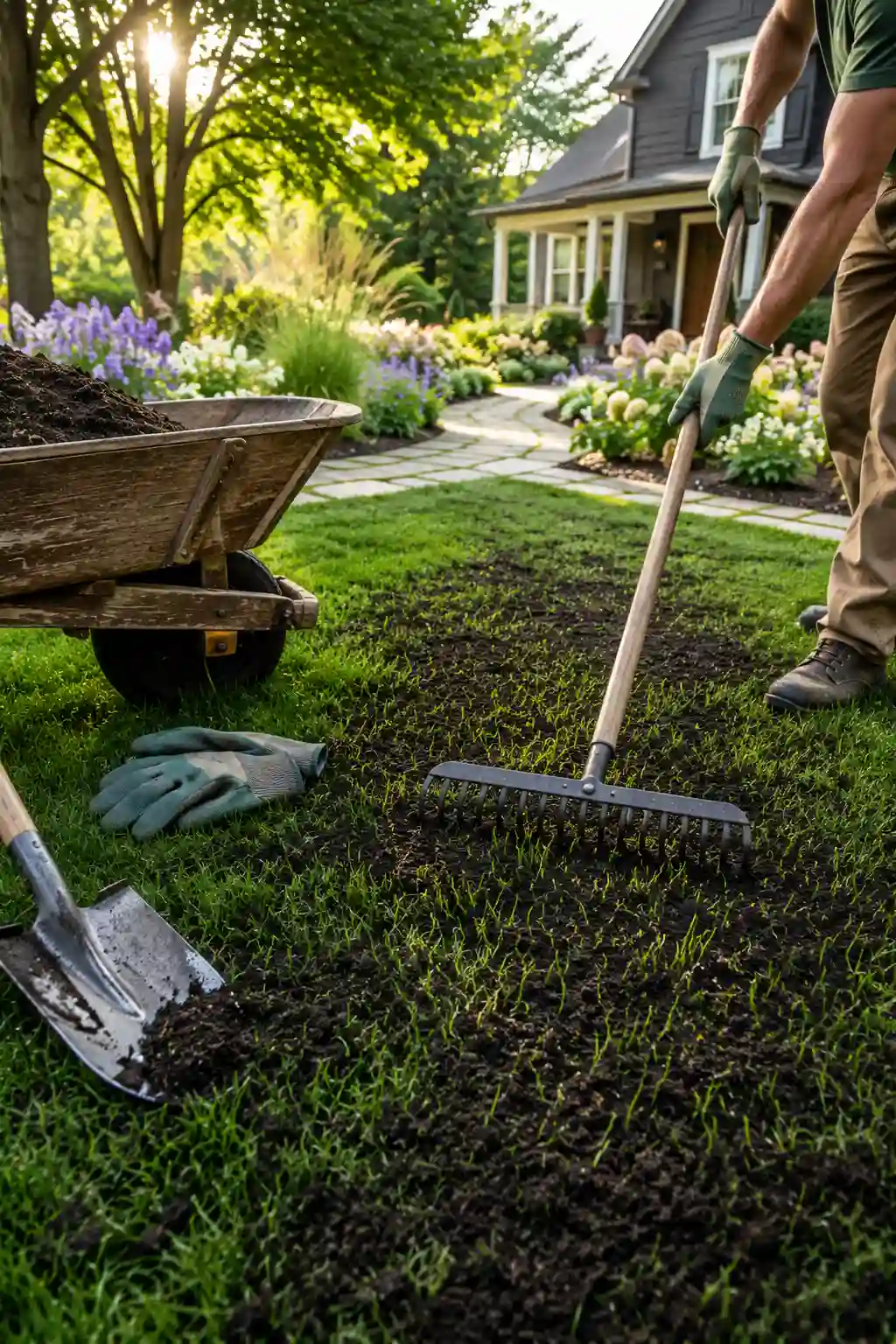
Adding a thin layer of compost to your lawn is an excellent way to improve soil quality naturally. Compost is packed with organic matter and beneficial microorganisms that enrich the soil, helping grass develop stronger roots and healthier growth. Over time, this simple practice improves soil structure, making it easier for water, air, and nutrients to reach the root zone.
Top dressing also helps revive lawns that have become thin or tired without relying heavily on chemical fertilizers. A light layer of screened compost spread evenly across the grass fills small low spots, encourages beneficial soil activity, and improves moisture retention. As the compost gradually works its way into the soil, it creates a healthier growing environment that supports thicker, greener grass throughout the season.
For the best results, apply compost after core aeration or before overseeding so it can settle directly into the soil. Use a rake to spread a thin, even layer while allowing the grass blades to remain visible above the compost. Repeating this process once or twice a year can significantly improve your lawn’s long term health and appearance.
Pro Tip: Apply no more than one quarter to one half inch of compost at a time. A thin, even layer provides maximum benefits without smothering the existing grass.
7. Keep Lawn Edges Clean and Well Defined
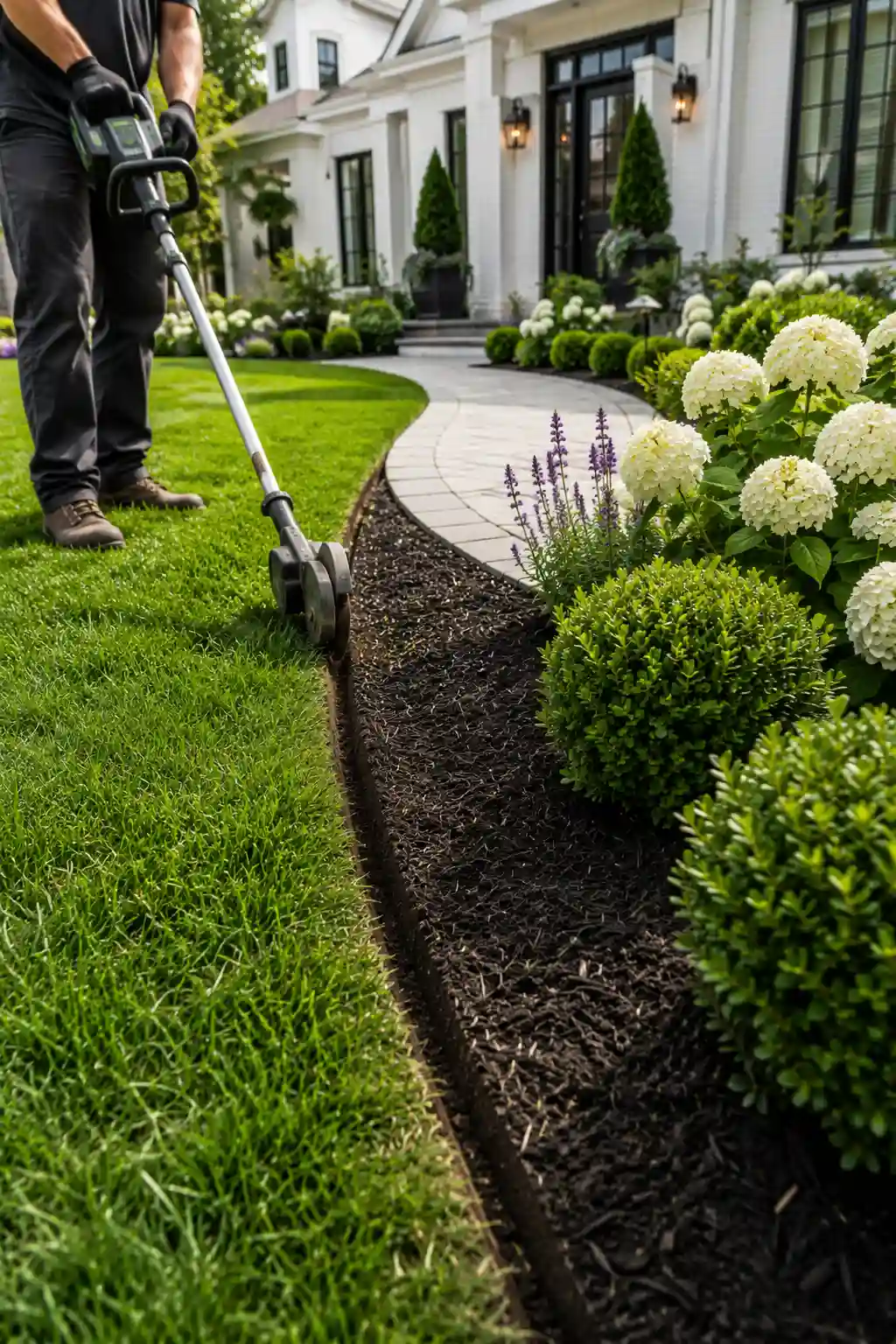
Neatly edged lawns instantly make any yard look more polished and professionally maintained. Even if your grass is healthy, uneven edges along sidewalks, flower beds, and driveways can make the entire landscape appear untidy. Creating clean borders gives your lawn a sharp, finished appearance while clearly separating the grass from garden beds and walkways.
Using a lawn edger or string trimmer every few weeks helps maintain crisp lines and prevents grass from spreading into mulch, gravel, or paved areas. Consistent edging also makes mowing easier because the lawn has clearly defined boundaries. When paired with freshly mulched flower beds and trimmed shrubs, clean edges dramatically improve your home’s curb appeal.
Take your time when edging curved pathways and planting beds to create smooth, natural lines rather than uneven cuts. After edging, remove loose soil and grass clippings with a blower or broom to leave the area looking spotless. This small maintenance task requires little time but makes one of the biggest visual differences in your overall landscape.
Pro Tip: Edge your lawn immediately after mowing while the grass is already trimmed. The clean edges will stand out even more and give your yard a professionally landscaped appearance.
8. Test Your Soil Before Making Big Changes
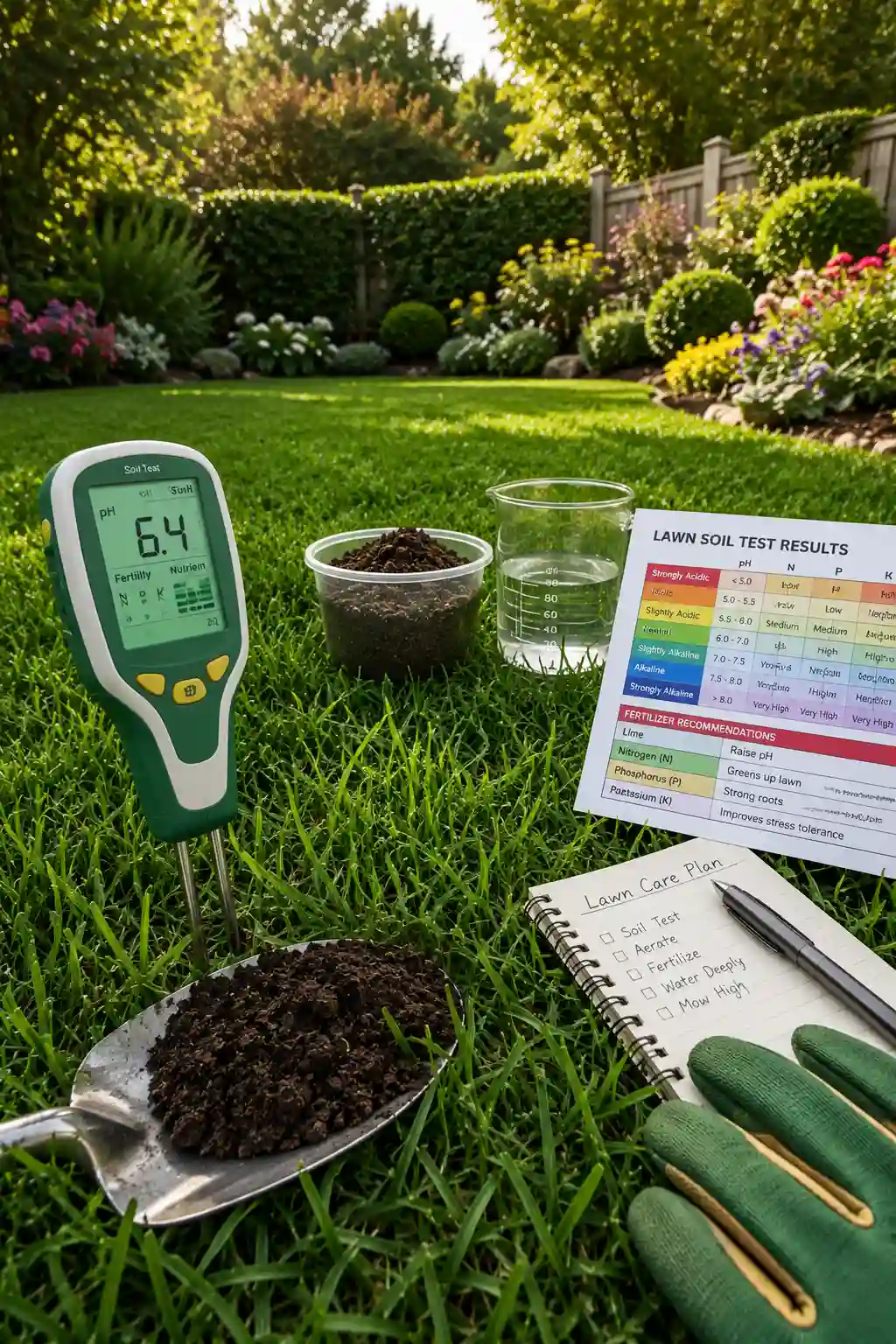
Healthy grass starts with healthy soil, and a soil test is one of the easiest ways to understand what your lawn truly needs. While many homeowners apply fertilizer based on guesswork, a soil test reveals important details such as pH levels and nutrient deficiencies. This information helps you make smarter lawn care decisions and avoid wasting time and money on unnecessary products.
Most lawns grow best in slightly acidic to neutral soil with a pH between 6.0 and 7.0. If your soil is too acidic or too alkaline, grass may struggle to absorb essential nutrients even when fertilizer is applied. A simple soil test identifies these issues and provides recommendations for adjusting soil conditions with products like lime, sulfur, or the right fertilizer blend.
Testing your soil every two to three years helps maintain long term lawn health and keeps your maintenance routine more effective. You can purchase an at home soil testing kit or send a sample to a local extension service for a more detailed analysis. Once you know exactly what your lawn needs, you can create a targeted care plan that promotes stronger roots, greener grass, and more consistent growth.
Pro Tip: Take soil samples from several different areas of your lawn and combine them before testing. This provides a more accurate picture of your soil’s overall condition and leads to better treatment recommendations.
9. Maintain a Consistent Lawn Care Routine

A beautiful lawn is the result of consistent care rather than occasional maintenance. Instead of waiting until your grass begins to look dry, patchy, or overgrown, establish a regular lawn care schedule that includes mowing, watering, fertilizing, edging, and seasonal inspections. Small tasks completed on time are far more effective than trying to fix major problems later.
Every season brings different challenges for your lawn, so adjusting your maintenance routine throughout the year is essential. Spring is ideal for fertilizing and preparing the lawn for active growth, while summer focuses on proper watering and mowing practices. During fall, aerating, overseeding, and removing fallen leaves help strengthen the grass before winter, giving it a healthier start when the next growing season begins.
Consistency also allows you to spot potential issues before they become expensive repairs. Regularly checking for weeds, pests, thinning areas, or signs of disease makes it easier to take action quickly and keep your lawn looking lush year round. With a simple routine and a little attention each week, your yard can remain healthy, vibrant, and beautifully maintained throughout every season.
Pro Tip: Create a monthly lawn care checklist or set reminders on your phone for seasonal tasks. Staying on schedule helps prevent missed maintenance and keeps your lawn looking professionally cared for all year long.
10. Overseed Thin or Bare Areas
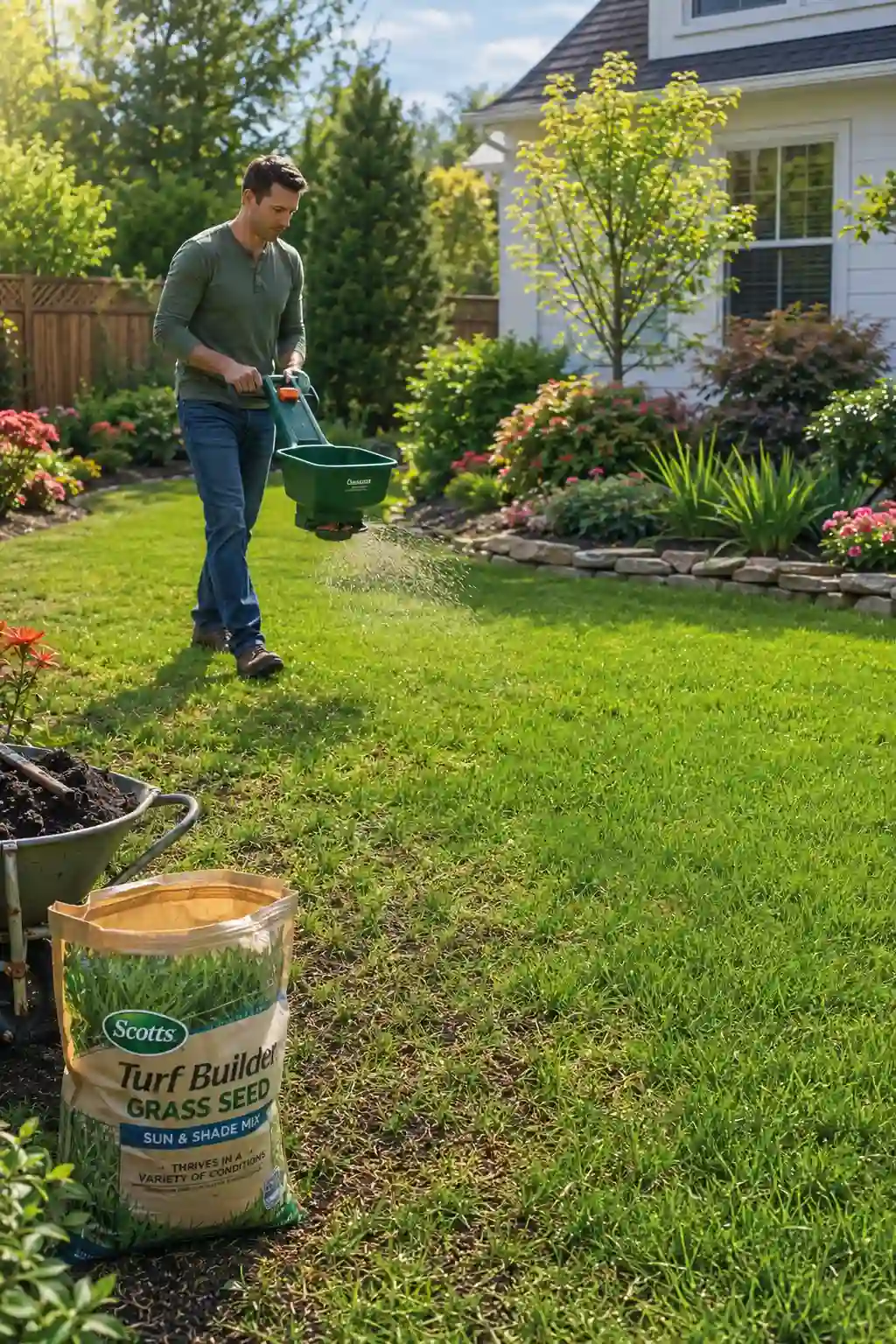
Even the healthiest lawns can develop thin patches over time due to heavy foot traffic, drought, pests, or changing weather conditions. Overseeding is one of the most effective ways to restore these areas without replacing the entire lawn. By spreading fresh grass seed over existing turf, you can fill bare spots, improve lawn density, and create a thicker, more uniform appearance.
For the best results, choose a high quality grass seed that matches your existing lawn and local climate. Before applying the seed, mow the grass slightly shorter than usual, remove any debris, and lightly loosen the soil to improve seed to soil contact. Keeping the newly seeded areas consistently moist during the germination period will give the young grass the best chance to establish strong roots.
Overseeding not only improves the appearance of your lawn but also helps crowd out weeds by creating a denser layer of healthy grass. Fall is generally the best time to overseed cool season lawns, while late spring or early summer works well for many warm season grasses. With proper care, the new grass will blend naturally with the existing lawn and create a fuller, greener landscape.
Pro Tip: Apply a thin layer of compost or peat moss over newly seeded areas to help retain moisture, protect the seeds, and encourage faster germination.
11. Keep Your Mower Blades Sharp
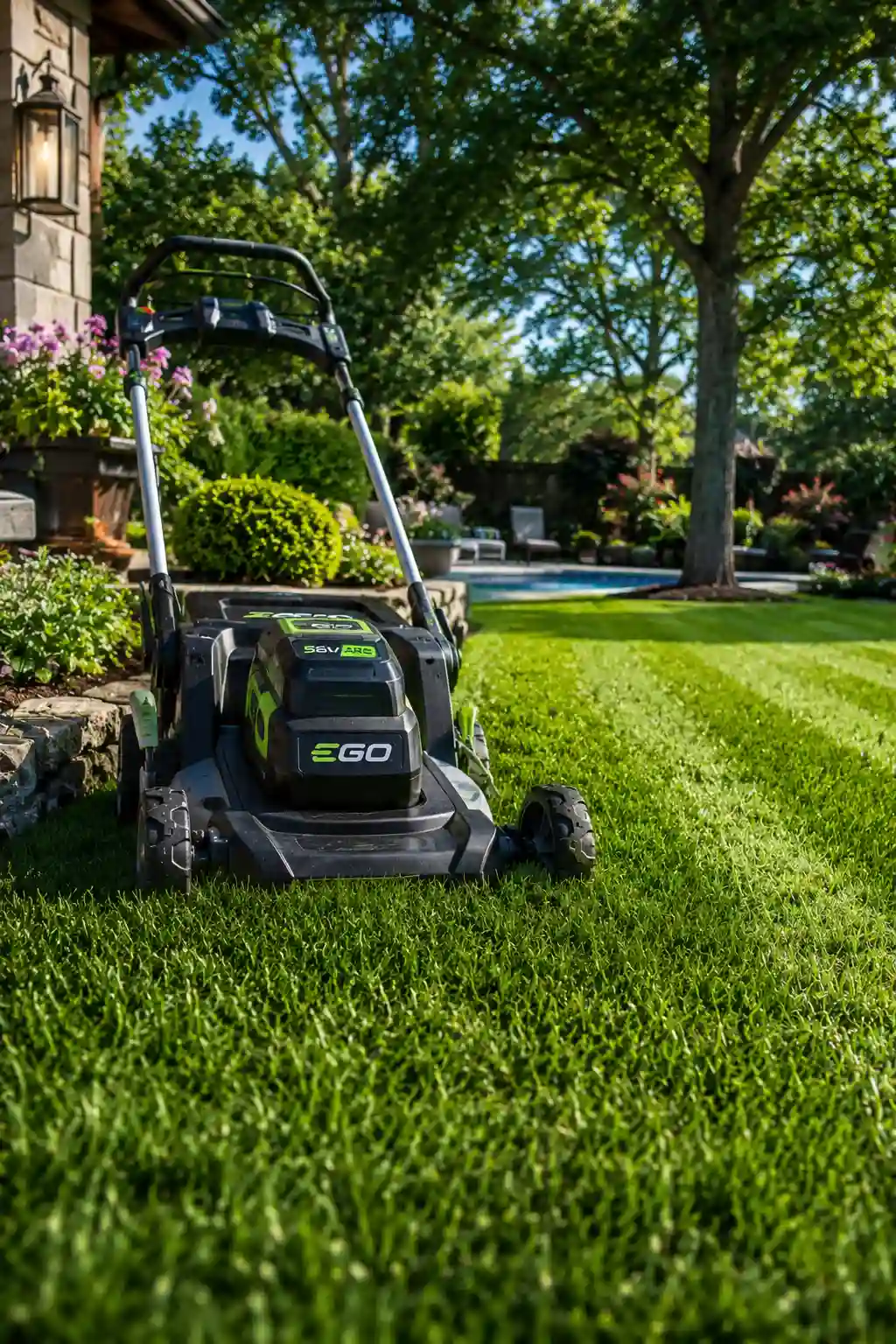
A sharp mower blade is essential for maintaining a healthy, attractive lawn. While it may seem like a small detail, the condition of your mower blade directly affects how your grass grows and recovers after each cut. Sharp blades create clean, even cuts that heal quickly, while dull blades tear the grass instead of slicing it, leaving rough edges that often turn brown and make the lawn look unhealthy.
Damaged grass is also more vulnerable to diseases, insects, and heat stress because torn blades lose moisture faster than cleanly cut ones. If your lawn develops brown tips shortly after mowing, a dull blade is often the cause rather than a lack of water. Keeping the blade in good condition helps your grass maintain its rich green color and improves the overall appearance of your yard.
Inspect your mower blade several times during the growing season and sharpen it whenever it begins to lose its edge. If the blade is cracked, bent, or badly worn, replacing it is a better option than sharpening it repeatedly. Regular mower maintenance, including cleaning the deck and checking the blade, ensures smoother mowing and promotes healthier grass throughout the year.
Pro Tip: Sharpen your mower blade after every 20 to 25 hours of mowing, or at least twice each growing season, to keep every cut clean and your lawn looking professionally maintained.
12. Remove Weeds Before They Spread
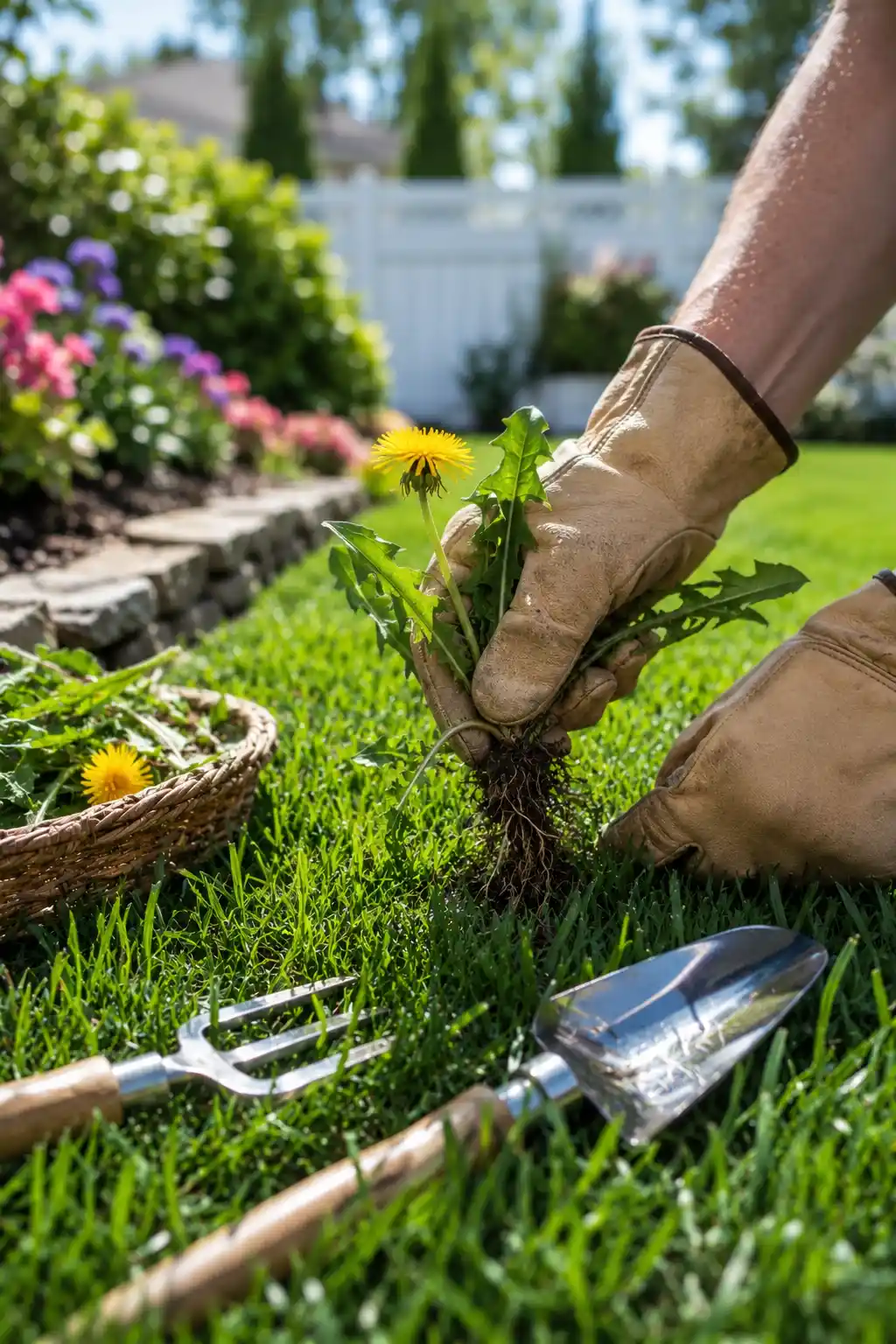
Weeds compete with your grass for sunlight, water, and nutrients, making it harder for your lawn to stay thick and healthy. If left unchecked, they can spread quickly across the yard and create thin, uneven patches. Removing weeds as soon as they appear helps protect your lawn and allows the grass to grow stronger without unnecessary competition.
Hand pulling is one of the most effective methods for removing individual weeds, especially when you remove the entire root system. This prevents many common weeds, such as dandelions, from growing back. For larger infestations, using a lawn safe selective herbicide can help control weeds without harming the surrounding grass. Maintaining a dense, healthy lawn is also one of the best natural ways to prevent weeds from taking hold.
Regular lawn inspections make weed control much easier throughout the growing season. Spend a few minutes each week checking for new weeds, especially around sidewalks, flower beds, and bare patches where they often appear first. Taking action early reduces the need for stronger treatments later and helps your lawn maintain a clean, uniform appearance.
Pro Tip: Pull weeds after a rainfall or watering session when the soil is soft. The roots come out more easily, reducing the chance of regrowth and making weed removal much more effective.
13. Inspect Your Lawn for Pests and Diseases
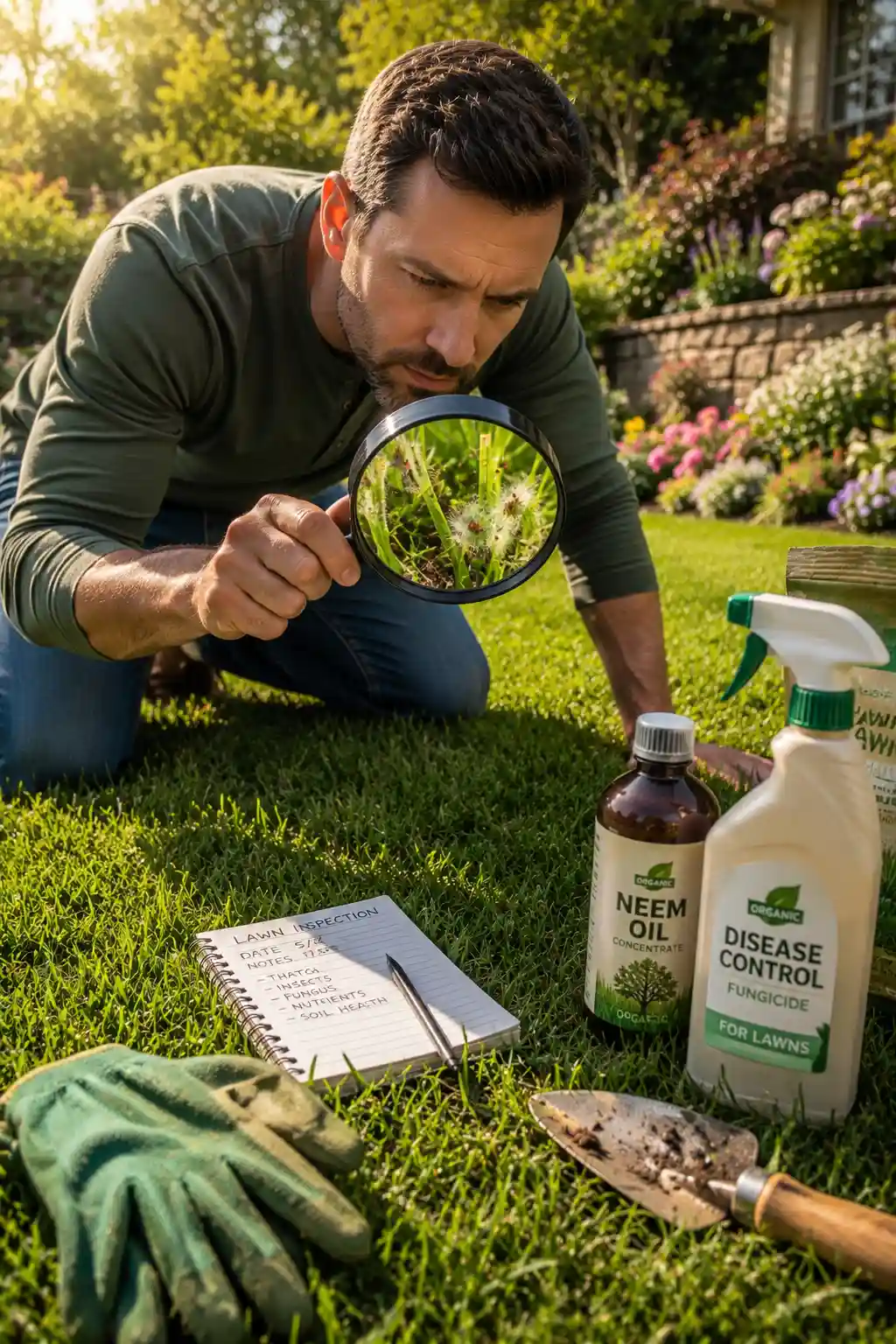
Regular lawn inspections can help you catch small problems before they turn into costly repairs. Pests, fungal diseases, and other lawn issues often begin with subtle warning signs such as discolored patches, thinning grass, chewed blades, or unusual spots. Taking a few minutes each week to closely examine your lawn allows you to identify these problems early and respond before they spread across the yard.
Healthy lawns are naturally more resistant to insects and diseases, but no yard is completely immune. Keep an eye out for common issues such as grubs, chinch bugs, brown patch, dollar spot, or signs of fungal growth after extended periods of rain or humidity. If you notice irregular patches or damaged grass, inspect the area carefully to determine the cause before applying any treatment. Choosing the right solution is always more effective than treating problems based on guesswork.
Preventive care plays a major role in keeping your lawn healthy throughout the year. Proper watering, regular mowing, balanced fertilization, and good airflow all reduce the risk of disease and pest infestations. When treatment is necessary, use products specifically designed for the identified problem and always follow the application instructions to protect both your lawn and the surrounding landscape.
Pro Tip: Walk through your lawn once a week and inspect areas that receive heavy shade or stay damp longer after watering or rainfall. These spots are often the first places where pests and lawn diseases begin to develop.
Conclusion
Creating a lush, vibrant green lawn is not about relying on a single product or weekend project. It comes from following consistent lawn care habits throughout the year. By watering deeply, mowing at the proper height, fertilizing on schedule, improving soil health, and addressing weeds or pests early, you give your grass the best chance to grow thicker, stronger, and healthier in every season.
Whether you’re maintaining a small backyard or a large landscape, these 13 expert lawn care tips provide a practical foundation for long lasting results. With regular attention and a seasonal maintenance routine, you can enjoy a beautiful lawn that enhances your home’s curb appeal and creates an inviting outdoor space for years to come.